Skip to content
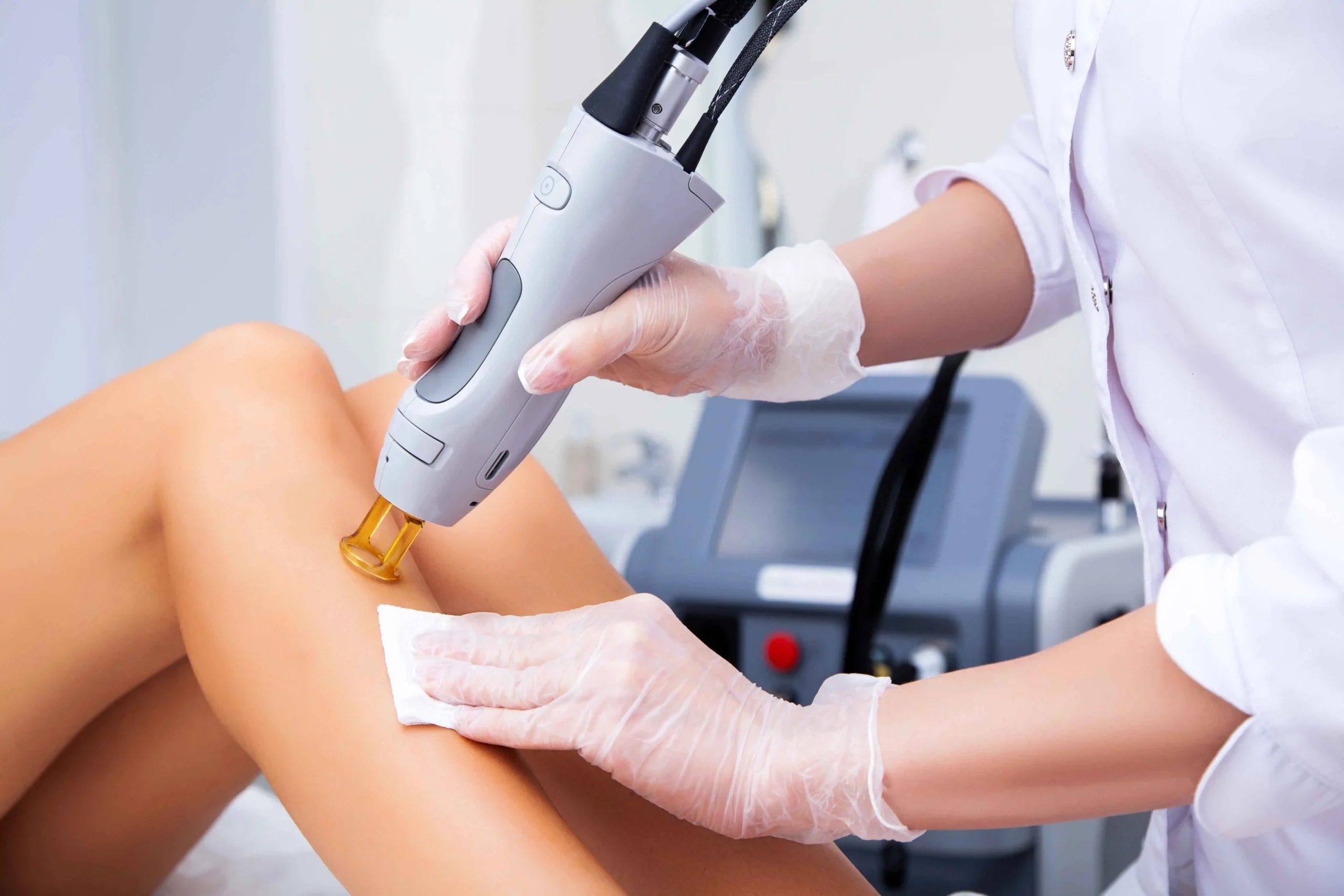
Table of Contents
Laser treatments are not all built for the same skin, and that matters when you are dealing with acne, redness, pigmentation, sensitivity, or melanin-rich skin. A treatment that works well for one person may feel too aggressive for someone else, especially when downtime and irritation are part of the concern.
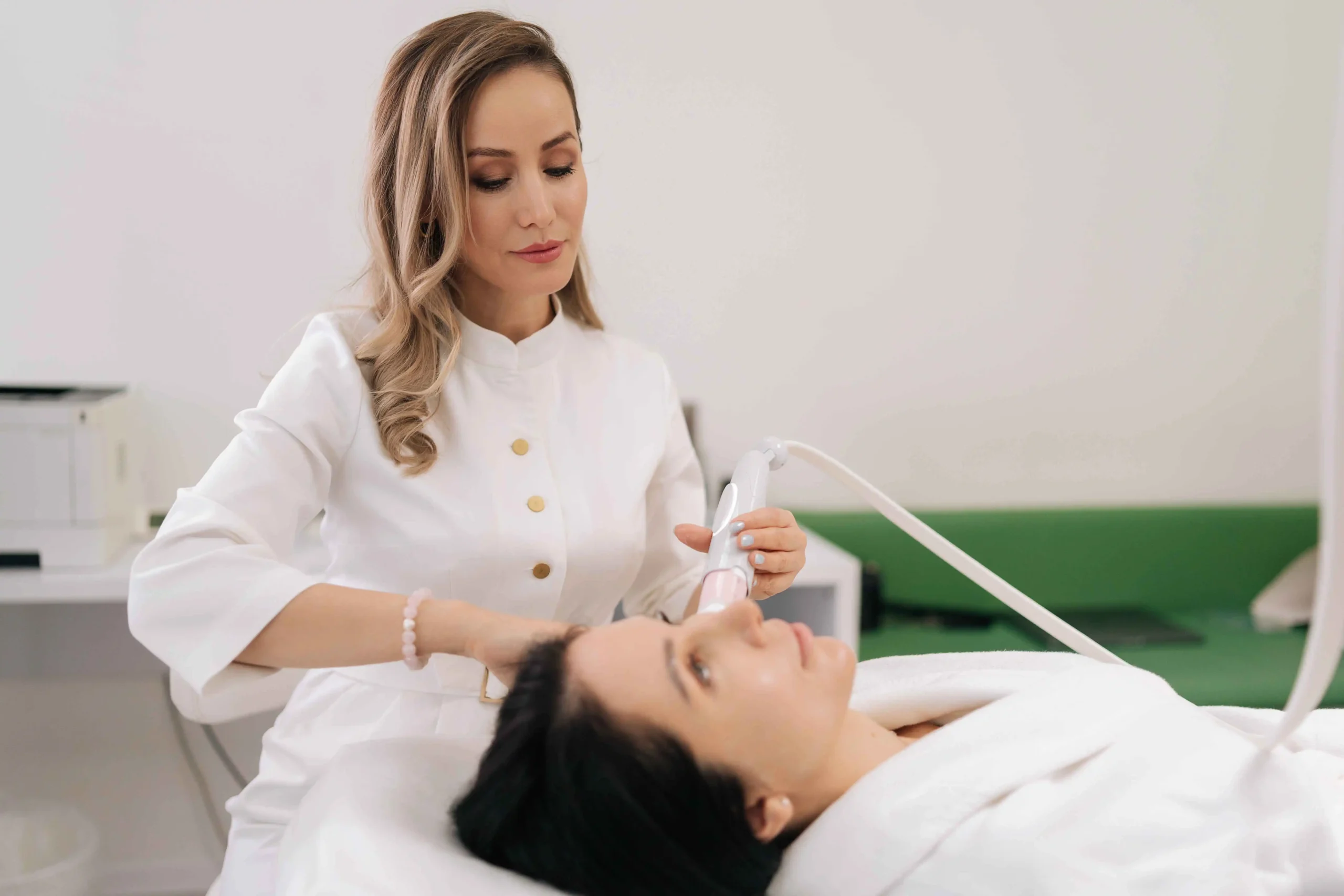
At Essential Aesthetics & Health in Fort Lauderdale, FL, Aerolase® offers a non-invasive way to treat concerns like acne, rosacea, hyperpigmentation, unwanted hair, scars, and skin rejuvenation. It uses 1064nm laser energy with a 650-microsecond pulse duration and is designed to support clearer, healthier-looking skin with minimal discomfort and downtime.
How Does Aerolase Compare With Other Laser Treatments to Better Suit Your Skin’s Needs?
Aerolase may be a better option for many skin types, especially sensitive, acne-prone, or melanin-rich skin, because it is designed to treat concerns like redness, pigmentation, unwanted hair, and skin rejuvenation with minimal discomfort and little to no downtime. Traditional lasers may still make sense for deeper resurfacing or stronger correction, but the better choice depends on your skin type, main concern, recovery time, and your provider’s recommendation.

Aerolase Vs Traditional Laser Treatments: What Is The Main Difference?
The main difference in Aerolase vs traditional laser treatments is how the energy reaches the skin. Aerolase uses a 1064nm wavelength with a 650-microsecond pulse duration to target concerns beneath the surface while helping protect surrounding tissue.
A traditional laser skin treatment is not one single thing. Some lasers are lighter and work below the surface, while others resurface the top layers of skin more directly. That can be useful for certain goals, but it may also mean more heat, redness, peeling, and time spent healing.
Aerolase is designed as a gentler, non-invasive option. The comparison often comes down to:
- Comfort during treatment
- Downtime after the session
- Safety for your skin tone
- Fit for your specific concern
Why Skin Type Matters When Choosing A Laser Treatment
Skin tone, sensitivity, acne activity, redness, and pigmentation history can affect how your skin responds to laser energy. This is why the best laser for skin type is not always the strongest option.
Some traditional lasers can be harder on darker or more sensitive skin, especially if the skin is prone to irritation or pigment changes. Aerolase is often a safer fit for a wider range of skin tones, including darker complexions, because it is designed to keep discomfort and downtime low.
Still, laser treatment should not be one-size-fits-all. A consultation helps determine whether Aerolase or another option makes the most sense for your skin.
When Aerolase May Be The Better Choice
Aerolase may be a better choice if you want visible improvement without a treatment that feels too aggressive. It may be especially helpful for active breakouts, redness, pigmentation, or sensitive skin.
At Essential Aesthetics & Health, Aerolase may be used for acne, rosacea, hyperpigmentation, unwanted hair, scars, and skin rejuvenation on areas like the face, neck, chest, back, and body.
The most practical Aerolase laser benefits include:
- Minimal discomfort
- Little to no downtime
- Suitability for all skin types
- Versatility for multiple concerns
- Support for tone, texture, and collagen production
If you are comparing Aerolase for acne and pigmentation with other lasers, Aerolase may feel easier to start with. It can help calm inflammation, excess oil, redness, and uneven pigment without the heavier recovery that can come with more aggressive laser procedures.
When Traditional Laser Treatments May Still Be Considered
Aerolase is not the only laser worth considering. Some traditional lasers may be a better match when the goal is deeper resurfacing, stronger texture improvement, or a more intensive level of correction.
This is where non-ablative vs ablative laser matters. Non-ablative lasers work below the surface with less disruption, while ablative lasers treat outer layers more directly and may involve more recovery.
A traditional laser may be considered if:
- The concern needs deeper resurfacing
- The patient can manage more downtime
- The skin type is a safe match
- The provider recommends a stronger approach
The better choice depends on your goal, skin history, downtime tolerance, and response to heat-based treatments.
Comfort, Downtime, And Recovery Compared
Downtime is often a major factor in a laser downtime comparison. Some traditional laser treatments can leave skin red, swollen, peeling, or sensitive for several days or longer, depending on the device and intensity.
Aerolase is positioned as a treatment with minimal discomfort and no downtime, so many patients can return to normal activities after their session. This may make it a better fit for people who want gradual improvement without visible peeling or prolonged redness.
Traditional lasers can still be helpful, but they often require more planning, stricter aftercare, and extra sun protection while the skin heals.
Which Skin Concerns Can Aerolase Treat?
Aerolase can target pigment, inflammation, visible vessels, and hair follicles. At Essential Aesthetics & Health, Aerolase may be used for:
- Acne and acne-related inflammation
- Rosacea, redness, and visible vessels
- Hyperpigmentation and melasma
- Unwanted hair and PFB
- Scars, uneven texture, and skin rejuvenation
- Spider veins, warts, and other skin concerns
This makes Aerolase useful for patients with more than one concern, such as acne with discoloration, redness with uneven texture, or unwanted hair with shaving-related irritation.
How To Decide Which Laser Is Better For Your Skin Type
The right choice starts with your skin, not just the device. Aerolase may be better if you have darker skin, sensitive skin, active acne, redness, pigmentation concerns, or limited time for recovery. It may also be a good fit if you want a non-invasive treatment that feels manageable and does not require a major break from your routine.
A traditional laser may still be worth considering if your concern needs deeper resurfacing or if you are prepared for a more involved recovery. The key is not choosing the most aggressive option. It is choosing the option that can address your concern while respecting your skin’s limits.
A helpful laser treatment comparison should look at:
- Your skin tone and sensitivity
- Your history of pigmentation after irritation
- Your main concern, such as acne, redness, hair, scars, texture, or discoloration
- Your comfort level with downtime
- Your provider’s recommendation after evaluating your skin
That kind of decision-making helps keep the treatment plan safer, more realistic, and more personal.
Find The Laser Treatment That Fits Your Skin
If you are comparing Aerolase vs traditional laser treatments, Aerolase may be the better choice if you want a gentle, versatile option with minimal downtime, especially if you have sensitive, acne-prone, or melanin-rich skin. Traditional lasers may still be useful for certain deeper concerns, but the right choice depends on your skin type, goals, and comfort level.
At Essential Aesthetics & Health, our team offers Aerolase laser treatment in Fort Lauderdale, FL, for patients who want clearer, calmer, more even-looking skin with a plan built around their needs. Not sure which laser treatment is right for your skin? Visit our Fort Lauderdale clinic on East Sunrise Blvd or book your consultation today to discover whether Aerolase or traditional laser treatments suit your goals best.